F1 | Il Ruanda sfida il Sudafrica: la Formula 1 pronta a riscrivere la storia africana
 /
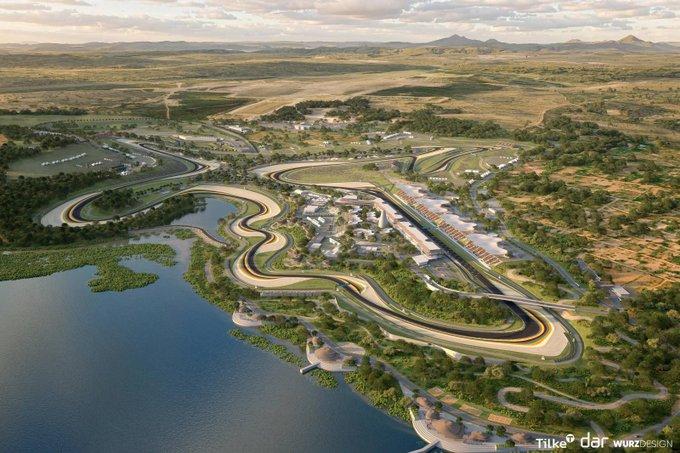
La Formula 1 potrebbe presto tornare in Africa. Il progetto di un nuovo circuito a Kigali, in Ruanda, punta a riportare il Circus nel continente all'inizio degli anni Trenta, interrompendo un'assenza che dura dal 1993. Prima dell'eventuale debutto ruandese, però, sono stati tre i tracciati africani ad aver ospitato gare valide per il Mondiale.
Dal Marocco al Sudafrica: i circuiti che hanno fatto la storia
Il primo appuntamento iridato africano risale al 1958, sul circuito di Ain-Diab, in Marocco. Una gara decisiva per il titolo, conquistato da Mike Hawthorn nonostante il successo di Stirling Moss, ma segnata anche dal tragico incidente costato la vita a Stuart Lewis-Evans.
Nel 1962 fu il turno del circuito di Prince George, a East London, in Sudafrica. Il tracciato ospitò tre Gran Premi validi per il Mondiale, prima di lasciare spazio a Kyalami nel 1967.
Proprio Kyalami diventò il simbolo della Formula 1 africana, ospitando venti gare iridate fino al 1993. Tra vittorie storiche, incidenti drammatici e tensioni politiche legate all'apartheid, il circuito sudafricano ha rappresentato per decenni il principale riferimento del motorsport continentale.
Kigali, una nuova sfida per il Circus
Dopo anni di indiscrezioni su un possibile ritorno a Kyalami, il Ruanda si è inserito nella corsa per riportare la Formula 1 in Africa. Il progetto di Kigali potrebbe aprire un nuovo capitolo, anche se la realizzazione del circuito e l'ingresso nel calendario restano da concretizzare.
Una prospettiva affascinante per un Mondiale sempre più globale, che proprio in Africa conserva ancora una delle sue assenze più significative.
🚨| Highlights from the African Grand Prix Announcement in Rwanda: — Formula 1 is set to return to Africa with a Grand Prix in Rwanda in the early 2030s. The announcement was made at Kigali's BK Arena, attended by Rwandan President Paul Kagame, F1 boss Stefano Domenicali, and FIA President Mohammed Ben Sulayem. Speaking to media, Jean-Guy Afrika, CEO of the Rwandan Development Board, explained: “There aren't really limiting factors other than key milestones that we keep in mind. One of the major ones is the completion of the international airport which is set to be completed in early 2028.” “We needed this moment, because we were in a sort of chicken-and-egg moment. We're talking, having everything almost ready, and I said: 'Listen, if we don't start, we're [not] going to get it [done].” — The race is named the Africa Grand Prix to symbolize a gesture of goodwill towards the continent. Afrika elaborated: “We want to make it bigger than just Rwanda. We want to make it the moment when the sport came back to Africa and then never left.” — The Rwanda Motodrome will be a permanent, purpose-built facility with a 6km, 17-corner layout. Carsten Tilke, managing director of TILKE, described the site as a "dream location": “We were very, very lucky because it's a very hilly topography. We have a lake. We have everything you dream of when you design a track.” — Stefano Domenicali highlighted the significance of the event for F1: “Africa's rapidly growing market is home to more than 100 million fans of Formula 1, who will now get to watch a race on their own continent.” — Paul Kagame discussed the broader impact of hosting F1 in Rwanda: “For decades, African athletes have been a pillar of the global sports economy, adding significant commercial value to top leagues, with the continent receiving almost nothing in return.” — The Rwanda Development Board aims to make the venue a multipurpose facility, boosting tourism and local economy. Afrika noted: “F1 is part of a much bigger picture and long-term strategy to position Rwanda as a hub for tourism investment and services.” #AfricanGrandPrix #RwandaF1 #Formula1 🇷🇼 VIA: [motorsport]
— This is Formula 1 (@ThisIsFormu1a1) October 14, 2026